Services
Practical work for systems that will not simplify themselves
Four service areas that combine into whatever the engagement actually needs. Most partners start with one and expand once the first set of findings lands.

Service 01
Systems and network mapping
We make the structure of a system visible so a group can reason about it together.
Mapping is where most of our engagements begin, because it changes what everything after it is based on. A completed map routinely surfaces a referral pathway that does not exist in practice, an organization everyone assumed was connected and is not, or a single overloaded coordinator whose departure would sever three services at once.
What we deliver
- Pathway mapping. A facilitated session tracing how a person moves through the contact points in your system, with gaps and opportunities documented at each step.
- Stakeholder network maps. Visual and analytic views of who is connected to whom, including centrality, isolation, and single points of failure.
- Journey maps. The system as experienced by the person moving through it, placed alongside the system as designed.
- Written findings. A report your leadership can hand to a funder or a legislature without translation.
Typical engagement. Six to twelve weeks for a single community. Multi year for a statewide effort with recurring sessions across regions.

Service 02
Evaluation and measurement
Measurement designed around the decisions and the reporting you actually owe.
Evaluation fails in predictable ways. Indicators get chosen because they are available rather than because they matter. Logic models get written for a proposal and never opened again. Data collection assumes staff capacity that does not exist. We design against those failure modes from the start.
What we deliver
- Needs and readiness assessment. A clear account of what your system currently has, lacks, and can realistically absorb.
- Logic models and theories of change. Built collaboratively, sized to be used rather than filed.
- Indicator and outcome frameworks. Measures matched to available data sources and to the reporting cycle you are already on.
- Implementation and evaluation plans. Including who collects what, how often, and what triggers a course correction.
- Analysis. Survey design, quantitative text analysis, mediation analysis, and risk index modeling where the question warrants it.
Service 03
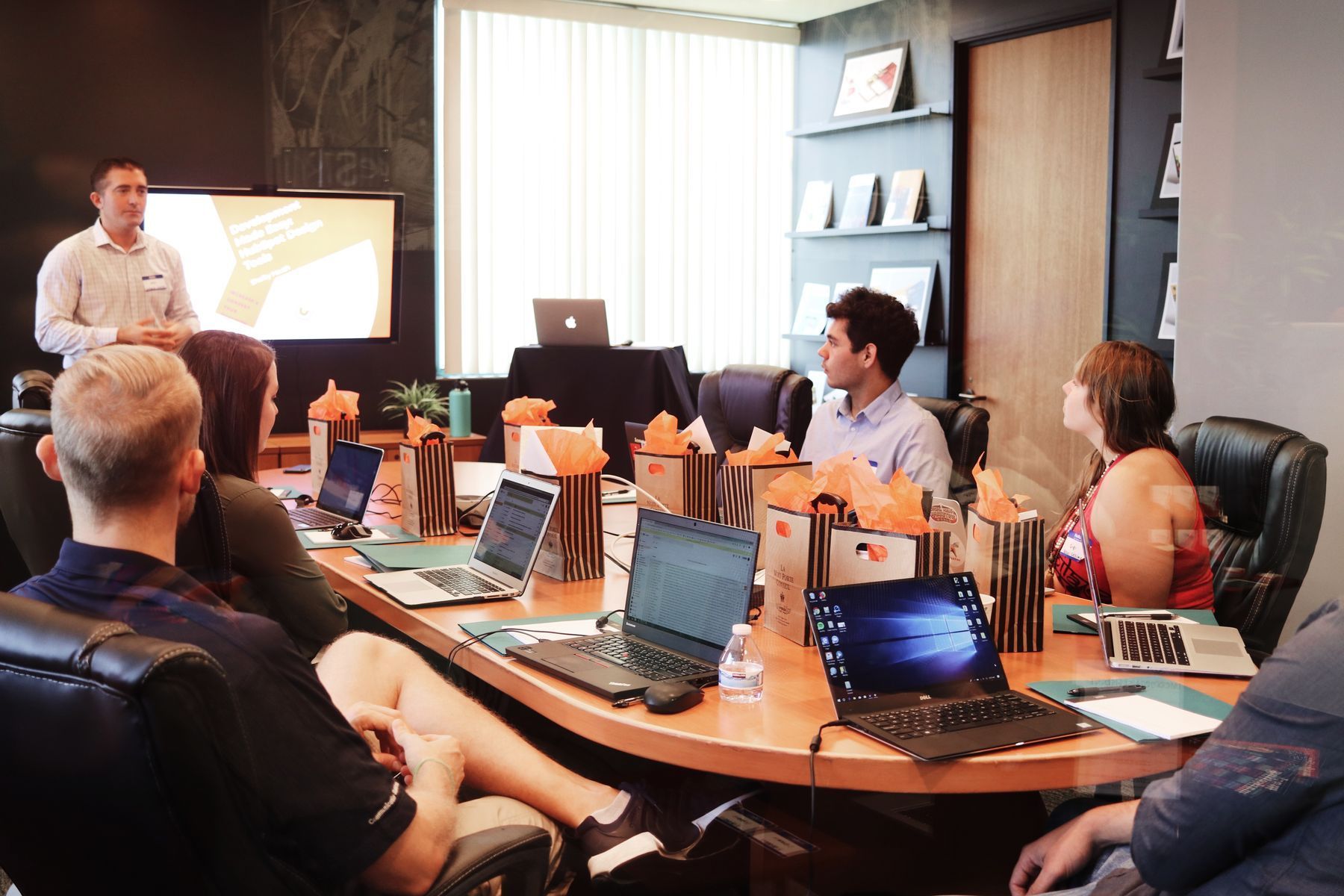
Facilitation and technical assistance
Structured conversations that end in decisions, held by someone with no stake in the outcome.
Cross sector groups get stuck for structural reasons, not personal ones. Agencies have different mandates, different data, and different incentives. Good facilitation makes those differences explicit rather than letting them quietly block progress for another two years.
What we deliver
- Group facilitation. Neutral facilitation for planning sessions, retreats, and cross agency meetings where the agenda has to end in decisions.
- Learning collaboratives. Multi site cohorts working a shared improvement problem across several months.
- Coalition development. Charter, governance, role clarity, and the unglamorous infrastructure that determines whether a coalition survives a staffing change.
- Priority setting sessions. Facilitated prioritization producing a short list with named owners and dates.
- Technical assistance. Ongoing advisory support for teams implementing something new.
Sessions run in person, virtual, or hybrid. Rural and lean staffed partners are a large share of our work and we design sessions accordingly.

Service 04
Data literacy and capacity building
Training that leaves your team able to do the work without us.
Data fluency is not a software skill. It is the ability to look at an indicator and know what it can and cannot support, to notice when a trend is noise, and to explain a finding to a board without either overclaiming or hedging into meaninglessness. That is what we teach.
What we deliver
- Data fluency training. Delivered for staff, boards, and coalition members, calibrated to the audience rather than to a generic curriculum.
- Evaluation capacity building. Practical instruction in designing measures and reading results.
- Responsible artificial intelligence training. Where these tools genuinely help a lean nonprofit, where they introduce risk, and how to tell the difference.
- Data storytelling. Turning indicators into narratives that support proposals, budget requests, and community communication.
- Tools and templates. Lightweight instruments your team can run and adapt, documented for the staff who inherit them.
Engagement models
Ways to work with us
Scope varies widely across our partners. These are the shapes an engagement usually takes.
Tools and templates
Self directed instruments for data literacy and planning, useful for teams that want to make progress before committing to a project.
Training and learning communities
Live workshops, webinars, and multi site learning collaboratives, priced per cohort rather than per organization.
Consulting and facilitation contracts
Customized mapping, analysis, evaluation, and facilitation engagements, including multi year state contracts and federal subcontracts.
Questions
Common questions
Not sure which service fits
Describe the problem and we will tell you what we would do first, including when the answer is that you do not need a consultant.